


 Share on Twitter
 Share on Facebook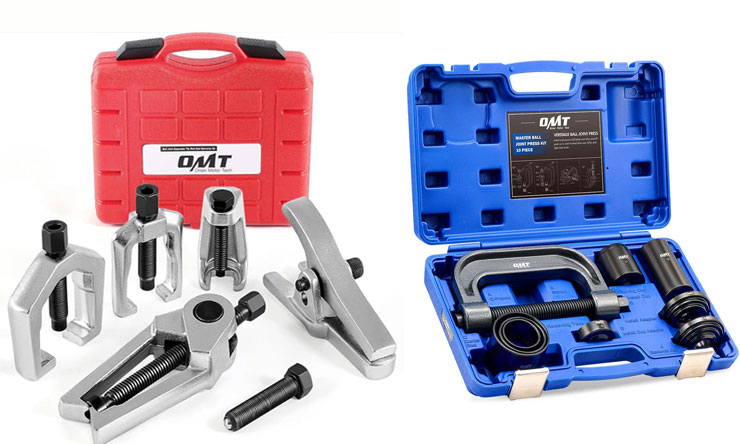
Your vehicle’s suspension system does a lot more than just provide a comfortable ride. It’s responsible for keeping your tires in contact with the road, maintaining steering control, and ensuring your brakes can stop the car effectively. However, because suspension wear happens gradually, many drivers don’t notice the decline until it becomes a safety hazard.
At Orion Motor Tech, we believe that “listening” to your car is the first step in professional-grade maintenance. For 20 years, we’ve provided the diagnostic and repair tools necessary to fix these issues before they lead to a breakdown.
Is your car trying to tell you something? Watch out for these five suspension red flags.
1. The “Nose Dive” During Braking
When you hit the brakes, does the front of your car dip significantly toward the pavement? This is known as a nose dive.
- The Cause: Worn-out shocks or struts.
- The Risk: When the front end dives, it takes weight off the rear wheels, which can increase your stopping distance by up to 20%. If you feel your car “lurching” forward, your suspension is no longer controlling the weight transfer of the vehicle.
2. Uneven or “Cupped” Tire Wear
Take a close look at your tire treads. Do you see smooth patches, or does the tread look “wavy” (a pattern called cupping)?
- The Cause: Cupping happens when the wheel literally bounces up and down as you drive because the shock absorbers aren’t keeping it planted.
- The Risk: This drastically reduces traction and causes a loud, humming road noise that many drivers mistake for a bad wheel bearing.
[Table: Tire Wear vs. Suspension Issues]
| Wear Pattern | Likely Culprit |
| Inner/Outer Edge Wear | Bad Ball Joints or Alignment |
| Cupped/Scalloped Wear | Worn Shocks or Struts |
| Center Wear | Over-inflation (Not Suspension) |
3. The “Olympic Gymnast” Bounce
Try the Bounce Test: Go to any corner of your car and push down hard on the bumper with all your weight. Let go and watch how it reacts.
- The Flag: A healthy suspension should bounce once and return to its original height. If the car continues to oscillate or “jiggle” two or three times, your dampers are shot.
- The Risk: A bouncy car is an unstable car, especially at highway speeds or during emergency lane changes.
4. Leaking Fluid Under the Wheel Well
Get a flashlight and look behind your tires at the vertical tubes (shocks/struts).
- The Flag: If they look oily or “wet,” the internal seals have ruptured.
- The Cause: Over time, heat and road debris degrade the seals, allowing the hydraulic fluid that provides damping to escape. Once the fluid is gone, the component is just a glorified spring.
5. Persistent Clunking or Squeaking
If your car sounds like a rusty screen door when you turn the wheel, or if you hear a metallic “clunk” over speed bumps, your ball joints or bushings are likely failing.
-
The OMT Solution: As we’ve discussed in our [Ball Joint Guide], these are press-fit parts. If you hear these sounds, it’s time to break out the OMT Ball Joint Press Kit to replace those pivots before they snap.
Why Quality Replacements Matter
For two decades, OMT has focused on providing the heavy-duty tools required to tackle these red flags safely. Suspension components are under thousands of pounds of pressure; using the right forged steel pullers and presses ensures that you don’t just fix the noise, but you restore the factory-spec geometry of your vehicle.
Don’t ignore the warning signs. Your car is communicating with you—make sure you have the tools to talk back.